Building Human Capability In Algorithmic Environments
EVIDENCE | LITERACY | TOOLS | POLICY
ABOUT US
We dare to invent the future where everyone has meaningful agency to understand, navigate and shape the algorithmic systems that influence everyday life.
Algorithms increasingly shape everyday life, and people need more than protection from them: they need capability and agency. The Internet User Behaviour Lab (IUBL), funded by the Internet Society, builds human capability for an algorithmic world, from social media to AI. By capability, we mean people's real opportunities to act in ways they value. By agency, we mean people's capacity to use those opportunities to shape how they spend their time online, despite structural constraints.
We aim to establish Algorithmic Literacy as a foundation for human agency. We measure whether targeted interventions can develop it, and test whether greater literacy changes behaviour and enables people to act on their own goals. Building on this, we are developing trusted infrastructure that lets people give meaningful feedback to the algorithmic systems that influence them.
01
Conceptually Grounded
We apply Nobel Laureate Amartya Sen’s Capability Approach to algorithmic environments, asking what capabilities and freedoms people need to exercise meaningful agency within the systems that increasingly shape everyday life. The gives us an intellectual foundation.
APPROACH
02
Empirically Tested
Establishing Algorithmic Literacy as a measurable and developable capability requires us to test whether targeted interventions can strengthen it and whether increased literacy changes behavior and agency.
03
Designed for Impact
Our vision of a future where everyone has meaningful agency to understand, navigate and shape algorithmic systems cannot be achieved alone. We work with funders, academics, policymakers, industry and, critically, civil society to turn evidence into tools and interventions that contribute to the trusted infrastructure needed for meaningful participation in algorithmic systems.
RESEARCH DIRECTIONS
01
Define & Measure
Our founding research proposed Algorithmic Literacy as a measurable capability for human agency. The 4R framework — Recognise, Reason, Respond and Retain — provides the foundation for defining and validating the construct.
02
Develop & Test
We work with behavioural scientists, computational scientists and trial designers to rigorously investigate whether Algorithmic Literacy can be strengthened through targeted interventions, and which approaches most effectively improve people's ability to understand and act within algorithmic environments.
03
Demonstrate Change
Critical to our thesis: does increasing it actually matter? We test whether increased Algorithmic Literacy translates into changes in online behavior, human agency and information-seeking — and ultimately whether it contributes to healthier individuals and communities. If it does, we will have established a critical component of the trusted infrastructure needed for meaningful participation in algorithmic systems.

TEAM
Founded in Kansas City. Global in ambition.

Bryan C. Boots PhD
CO-FOUNDER & DIRECTOR OF TECHNICAL RESEARCH
Bryan leads IUBL’s technical research, computational development and research publications. Associate Teaching Professor at UMKC and an expert in applied network science and computational social science. He holds a PhD in Systems Engineering from Colorado State University.

Alex Krause Matlack DBA
CO-FOUNDER & DIRECTOR OF BEHAVIOURAL RESEARCH
Alex leads IUBL’s behavioural research, research governance and public engagement. She is an Associate Teaching Professor at the University of Missouri - Kansas City, previously managing a Techstars accelerator, formerly a Program Officer in Research & Policy at the Ewing Marion Kauffman Foundation. Alex holds a DBA from the University of Missouri - St. Louis in Organizational Behavior and a Masters in Organizational Behavior and Systems from New York University.

Theo Richardson-Gool
CO-FOUNDER & DIRECTOR OF STRATEGY
Theo leads IUBL’s strategic direction, policy engagement and research impact. He is a PhD-by-publication student in International Relations. Previously founder and CEO of Public Health Pathways.
FELLOWS
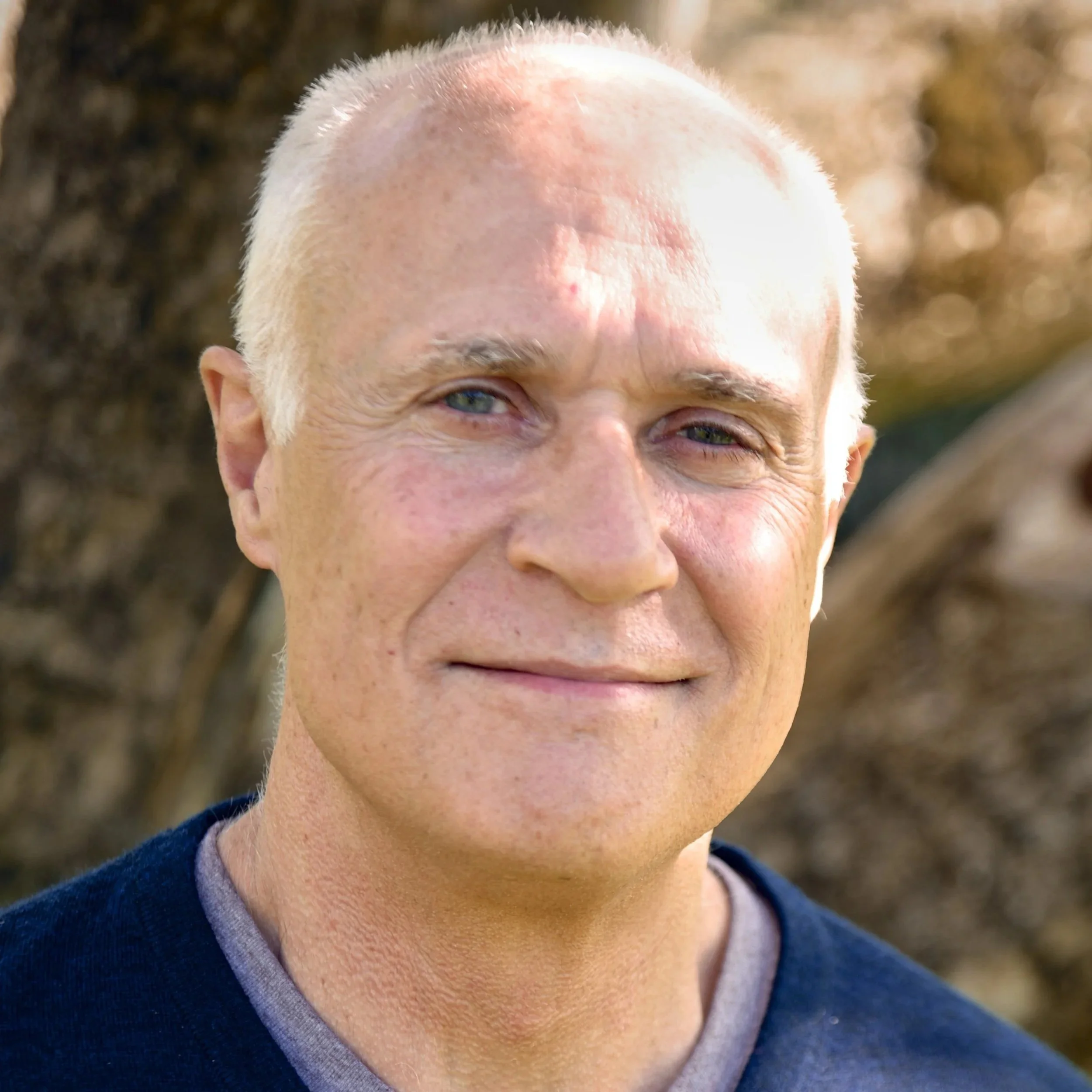
Paul Squires PhD
Paul provides guidance on study design, methodology, publication strategy. Clinical Professor of Psychology at New York University. His research focuses on measurement and assessment, with current work in machine learning and natural language processing.

…
Tbc
FUNDED BY